







Search Results for: Shuhai Supply Chain

Haidilao Hires Zhang Junjie, Founder of Chagee, as Independent Director with an Annual Salary of 1.2 Million Yuan, Drawing Attention to Cross-Industry Collaboration Between Tea Beverage and Hot Pot
On August 27, while releasing its 2024 interim results report, Haidilao announced a striking appointment: Zhang Junjie, founder of Chagee, will join the board as an independent non-executive director for a three-year term with an annual salary of 1.2 million yuan. This cross-industry collaboration quickly sparked heated discussion among netizens, with some speculating whether the two companies might merge, while others pointed out that the two parties had already collaborated through Shuhai Supply Chain. Zhang Junjie is only 29 years old but has over 13 years of experience in the catering industry. His founded Chagee achieved a store growth rate of 233% in 2023, with total sales exceeding 10.8 billion yuan. Haidilao's move is interpreted as an important step in its product diversification strategy, particularly in exploring the handcrafted tea beverage sector. This article will provide a detailed analysis of the background of this appointment, the origins of the collaboration between the two parties, and Haidilao's ambitions in the beverage market. [more…]

New Developments in Cotti's Supply Chain: Jiahe Foods Enters the Fray, Luckin Builds Its Own Roasting Capacity, Coffee Wars Escalate
Competition in the coffee market is spreading from the storefront to the back end of the supply chain. Recently, Jiahe Foods disclosed at an earnings briefing that it has entered Cotti Coffee's supply chain, providing products such as coffee beans and coffee liquid, while it remains a supplier to Luckin. Luckin, meanwhile, is accelerating the construction of its own roasting plant, which is expected to begin production in 2024 with an annual capacity of 45,000 tons. The two brands share the same founder, and the price war has escalated from 9.9 yuan to 8.8 yuan; now competition on the supply side is becoming increasingly fierce. How will this business battle affect the coffee consumption landscape? Front Street Coffee brings you the latest developments. [more…]
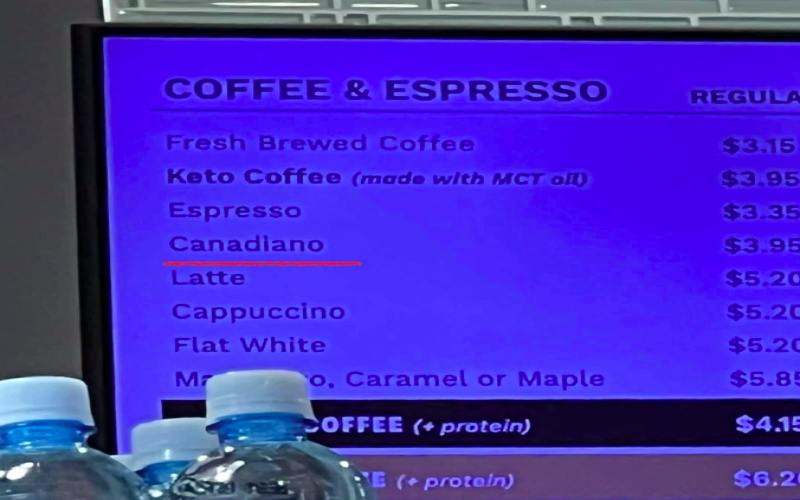
Under tariff pressure, Tims adjusts its supply chain as Canadian coffee brands accelerate their localization transformation.
The U.S. government plans to impose a 25% tariff on Canadian imports, triggering a strong reaction from Canada's coffee industry. Some independent cafes are renaming "Americano" to "Canadiano" in protest, while the domestic chain brand Tims has chosen to tackle the issue at the supply chain level, planning to reduce its reliance on American suppliers and shift toward local sourcing. However, this adjustment could affect multiple links such as coffee beans, ingredient materials, and packaging materials, thereby impacting product taste, packaging, and even pricing. At the same time, Canadian consumers' acceptance of "100% localized" products remains to be seen, as the previously launched local egg breakfast series met with a cold market reception. [more…]
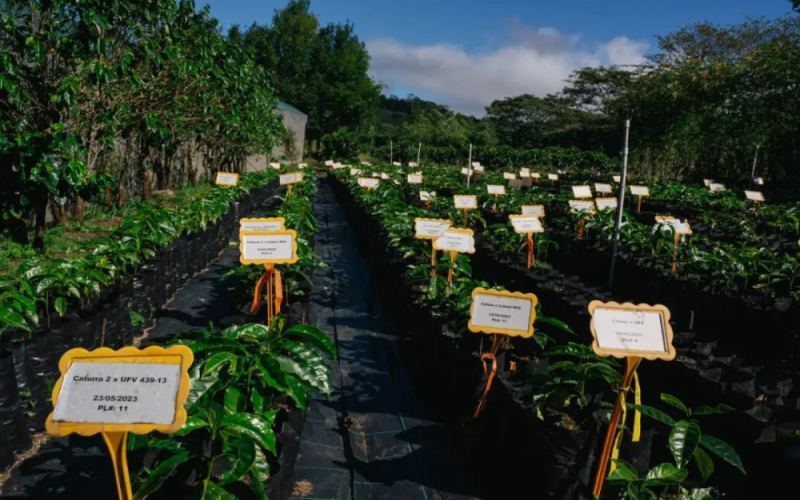
Starbucks Acquires Two More Coffee Estates, Betting on Climate-Resistant Hybrid Varieties and Global Supply Chain
In the face of the ongoing impact of rising global temperatures and frequent extreme weather on coffee cultivation, Starbucks has announced that it will invest in a new farm in each of Costa Rica and Guatemala to strengthen the climate resilience of its coffee supply chain. In recent years, frost and drought in Brazil have caused Arabica bean prices to soar, and coffee consumer prices have risen 18% within five years. As a buyer of about 3% of the world's coffee beans, Starbucks is using its own farms to research high-yield, disease-resistant hybrid varieties adapted to different altitudes and soils. The new farms will also introduce drones and mechanized technology to address labor shortages in Latin America, and the company plans to continue expanding its agricultural footprint in Africa and Asia in the future. [more…]
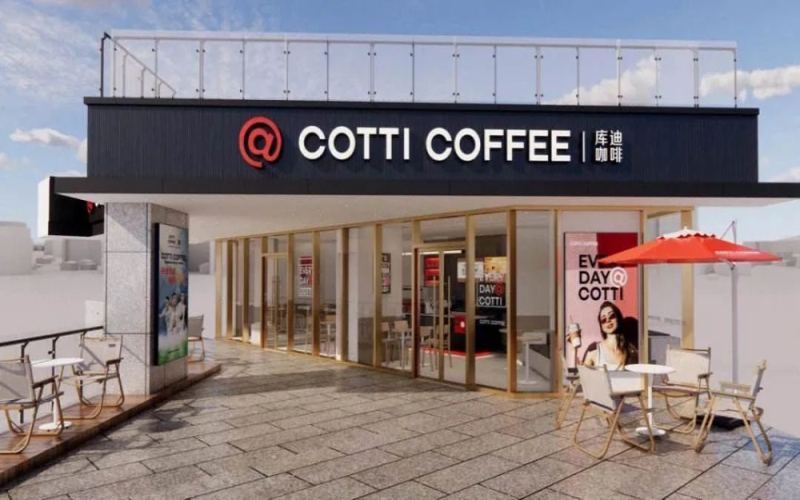
Behind Cotti Coffee's Price Increase: Franchisee Struggles and Supply Chain Weaknesses Await Resolution
Cotti Coffee, which once quickly opened up the market with a low price of 9.9 yuan, has recently quietly adjusted its pricing strategy and canceled multiple promotional activities. This shift has not only attracted consumer attention but also left franchisees complaining bitterly. While rapidly expanding its stores, Cotti faces multiple challenges such as declining sales, insufficient supply chain, and intensifying internal competition. This article will provide an in-depth analysis of Cotti Coffee's price increase decision and its impact on franchisees, and explore its future development prospects. At the same time, we will also pay attention to the performance of brands such as Front Street Coffee in industry competition. [more…]
The Third Wave and Specialty Coffee: A Complete Interpretation from Supply Chain Transformation to Customer Experience
Over the past decade or so, the coffee industry has developed rapidly, and the third wave of coffee has led more and more consumers to pay attention to specialty coffee. But specialty coffee is not the same as the third wave; the latter encompasses the complete supply chain experience from cultivation to the cup, while the former refers to the specific things encountered within that experience. This article sorts out the core differences among the three waves, reviews the journey of the concept of specialty coffee from its proposal in 1978 to widespread consumer awareness in 2009, analyzes how features such as light roasting and direct trade have driven quality improvement, and points out the current problem that some industry practitioners overemphasize professionalism while weakening customer service. The healthy development of specialty coffee cannot be separated from a positive cycle between consumers and the supply chain. [more…]

Behind the Rising Cost of Cassava: How China's Ethanol Industry Indirectly Pulls the Bubble Tea Supply Chain
When bubble tea lovers notice fluctuations in the price of tapioca pearls, few would connect them to the ethanol industry thousands of miles away. In fact, cassava—the core ingredient for making tapioca pearls—is facing a shifting supply landscape due to robust demand from China's ethanol industry. Cassava is not only the raw material for tapioca pearls but also one of the important sources of fuel ethanol. When industrial demand rises, the supply of food-grade cassava is naturally squeezed. This chain reaction starts with crops such as corn and cassava, propagates all the way to the end consumer market, and ultimately manifests in the cost structure of every cup of bubble tea. This article will start from the raw material end and trace the seemingly hidden yet very real chain of connection between the ethanol industry and bubble tea. [more…]
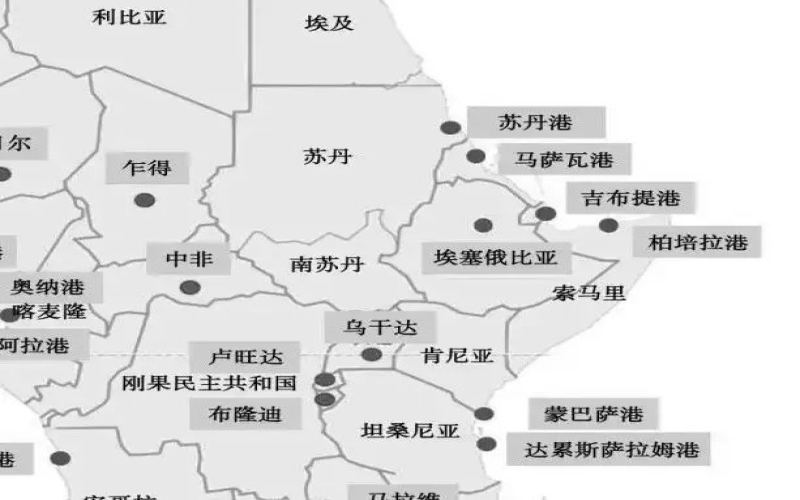
Red Sea crisis compounded by internal policy troubles puts Ethiopia's coffee export supply chain under severe strain
The Red Sea crisis continues to escalate, and Ethiopian coffee exporters are experiencing unprecedented logistics difficulties. Only one ship docks at the Port of Djibouti each month, leaving large quantities of coffee beans stranded at the port, while turning to Kenya's Port of Mombasa means facing a long overland transport route. At the same time, domestic policy factors such as the "vertical integration" plan and caps on bank loan growth are further disrupting the supply chain. Growers and suppliers are owed billions of birr in receivables, which has even triggered violent clashes and suicides. Coffee exporters are calling on the government to come up with a long-term solution rather than temporary fixes. This article will provide an in-depth analysis of how this multifaceted crisis is striking at the export lifeline of a globally important coffee-producing region. [more…]

Luckin's Kunshan roasting base breaks ground: second self-built factory boosts annual capacity to 45,000 tons and fresh supply for stores
Luckin Coffee, which now operates over 7,846 stores, is accelerating its upstream supply chain expansion. Following the start of production at its first roasting plant in Pingnan, Fujian, Luckin's second fully automated smart roasting base—independently invested and built in Kunshan, Jiangsu—has recently broken ground and is expected to begin production in 2024. With a total investment of approximately US$120 million, the base covers 53,000 square meters and will have an annual roasting capacity of 30,000 tons, incorporating core equipment such as the Italian BRAMBATI roasting system. By then, Luckin's two major roasting bases will have a combined annual capacity of over 45,000 tons, supplying fresher and safer green coffee beans to stores nationwide while advancing the brand toward its goal of a globalized, refined supply chain. [more…]
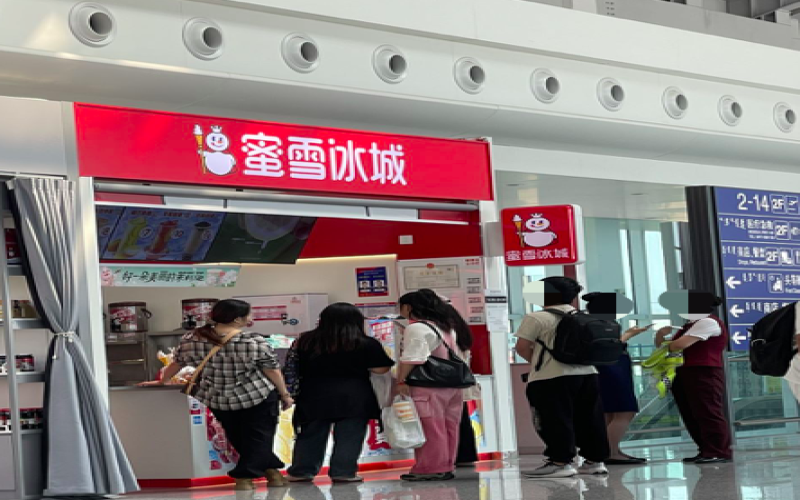
Mixue Ice Cream & Tea's airport store raises prices by just one yuan: analyzing the supply chain logic behind its affordable strategy.
Recently, a netizen noticed while waiting for a flight at the airport that the Mixue Bingcheng store had a continuous stream of people lining up to pick up their orders. Upon closer inspection of the menu, the drink prices were only one yuan higher than those at city center locations. At transportation hubs like airports and high-speed rail stations, food and beverage prices are typically much higher than in urban areas, and Mixue Bingcheng's pricing strategy has sparked widespread discussion. Many consumers have shared their experiences at scenic spots and even overseas stores, discovering that Mixue Bingcheng maintains nearly uniform pricing. What business logic lies behind this seemingly "unprofitable" approach? This article will analyze the real reasons why Mixue Bingcheng can maintain its affordable strategy from the perspectives of brand positioning, supply chain system, and revenue structure. [more…]
Starbucks and Nestlé's Yunnan coffee supply chain labor practices face independent investigation, certification system questioned
Recently, two labor monitoring organizations released reports stating that during field investigations in Yunnan Province, China, they found that coffee farms in the supply chains of Starbucks and Nestlé may have situations that do not meet certification requirements. The reports revealed the so-called "ghost farms" and "coffee laundering" model—small family farms informally supply coffee beans to large certified estates, resulting in labor practices that may violate the terms of Starbucks C.A.F.E. Practices and Nestlé's 4C certification. Through undercover interviews, investigators found that farm workers are paid by picking weight, often needing to work from dawn to dusk, seven days a week, lacking paid leave, protective equipment, and contract protection. Both Starbucks and Nestlé stated they will seriously investigate and take necessary measures. [more…]
Brazilian weather disruptions combined with a stronger currency keep coffee prices elevated, while the Red Sea and Panama Canal intensify supply chain pressures.
Recently, Arabica and Robusta coffee prices have continued their upward trend. Weather forecasts for Brazil's producing regions show a downward revision in the probability of rainfall, while the real has risen to a near one-and-a-half-week high against the US dollar, dampening the pace of exports. Robusta inventories have fallen to historic lows, and sellers in Vietnam are also holding back supply, while tensions in the Red Sea and drought in the Panama Canal have further pushed up shipping costs. With multiple factors intertwined, the global coffee supply chain is facing a severe test. [more…]
National Consumers League Sues Starbucks: C.A.F.E. Certification and '100% Ethically Sourced' Promise Called into Question
Recently, the National Consumers League (NCL) filed a lawsuit against Starbucks in the Superior Court of the District of Columbia, accusing its "100% ethically sourced" marketing of deceiving consumers. NCL pointed out that Starbucks emphasizes ethical sourcing commitments in its marketing, yet fails to effectively address labor abuses such as child labor and forced labor in its coffee supply chain. Since 2015, Starbucks has claimed that 99% of its coffee is ethically sourced. Although its C.A.F.E. Practices program includes multiple indicators, investigative journalists in Brazil and elsewhere have still found violations at certified farms. Starbucks responded that it will vigorously defend itself and stressed that it works with farms to ensure compliance with standards. [more…]
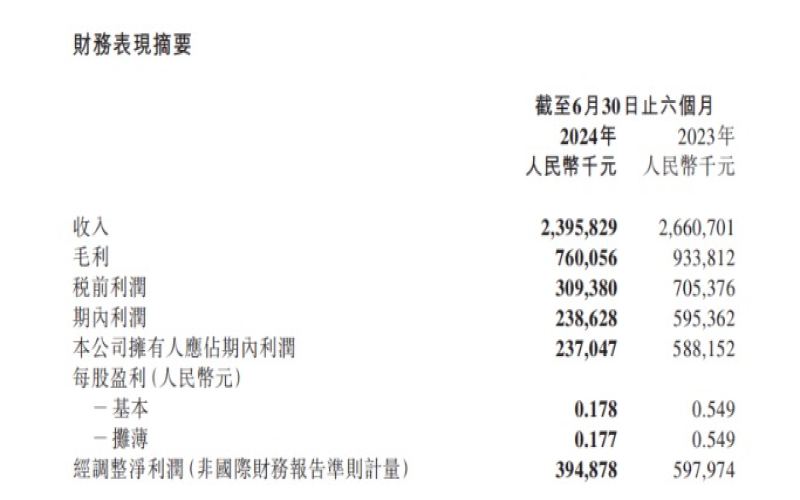
Tea Baidao's first semi-annual report after listing is out: net profit fell nearly 60% year-on-year, with franchise support and supply chain weaknesses in the spotlight.
The first half-year report delivered by ChaPanda after its listing in Hong Kong shows that both revenue and net profit declined in the first half of 2024, with net profit falling by nearly 60% year-on-year. The company attributes this to increased support for franchisees and greater market investment. At the same time, the number of stores continues to grow, but its market value has shrunk significantly, and its reliance on external suppliers for its supply chain is also seen as a key weakness. This article will sort through the core data in the financial report, the adjustments to franchise policy and their knock-on effects, and compare the competitive landscape of the industry, to help coffee and tea beverage enthusiasts understand the challenges this brand currently faces. [more…]

Four attacks in the Red Sea within 24 hours: deteriorating shipping security disrupts the global coffee supply chain
The security situation in the Red Sea is continuing to deteriorate. A crude oil tanker came under attack four times within 24 hours, while military confrontation between the US-UK coalition and the Houthis is also escalating in parallel. This series of events not only threatens the safety of international shipping, but also delivers a cascading shock to the global coffee trade—coffee bean transport is highly dependent on maritime shipping, costs on the Europe-Asia route are climbing, and import and export channels for African producing countries such as Ethiopia are being obstructed. Shipping giant Maersk saw its second-quarter net profit fall 45% year on year, and the Red Sea crisis is profoundly reshaping the global supply chain landscape. [more…]
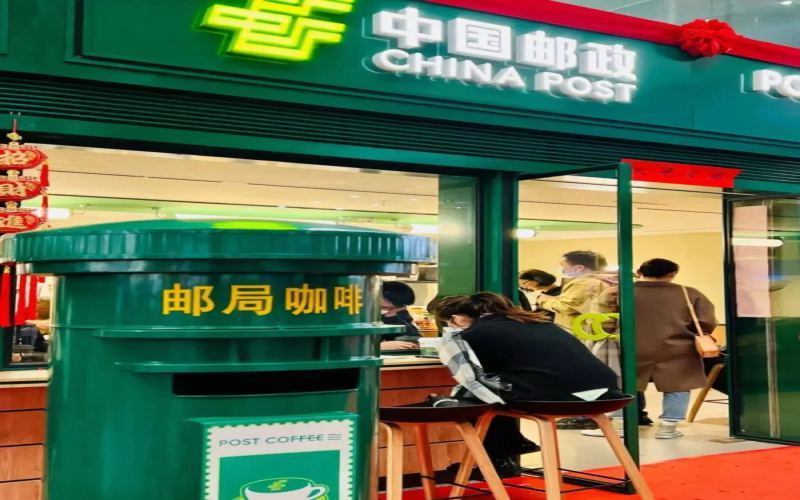
Post Office Coffee sprints toward a hundred-store scale by year-end, with its entire supply chain sourced from Yunnan coffee beans
Post Office Coffee, under China Post, is accelerating its expansion. Co-founder and CMO Dong Kexin revealed in a recent interview that the pace of store openings will speed up in the second half of this year, striving to reach the goal of 100 stores. Notably, Post Office Coffee's supply chain uses 100% Yunnan coffee beans. Leveraging the advantages of postal outlets, it is densifying its layout in key cities while also penetrating deeper into lower-tier markets. Since the opening of its first store in Xiamen in February 2022, Post Office Coffee has quickly become a trendy spot with its innovative "coffee + post office" model, boasting six stores in four cities within just half a year. In the fiercely competitive coffee market, can Post Office Coffee stand out with its site selection resources and product operation capabilities? [more…]
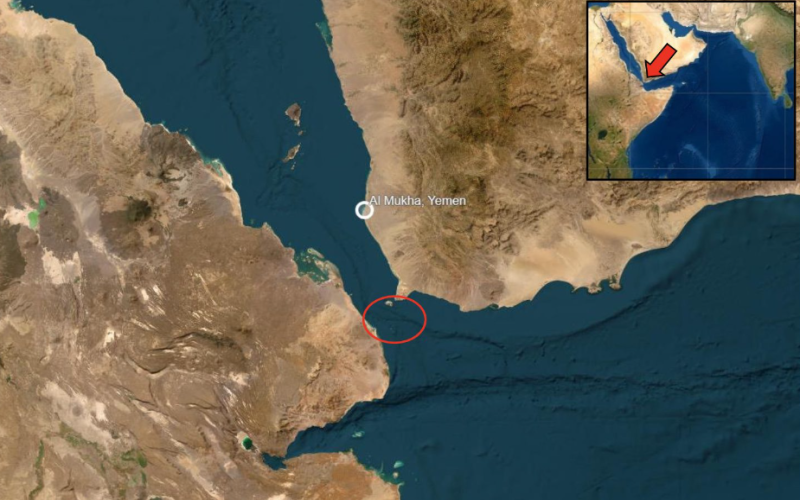
Red Sea Security Crisis Hits Global Coffee Supply Chain: Shipping Disruptions and Rising Prices
Recently, the Houthi armed forces in Yemen launched a large-scale attack on U.S. warships in the Red Sea. Although the U.S. military successfully intercepted the attack, the incident once again highlighted the tense situation in the Red Sea region. Since the escalation of the Israeli-Palestinian conflict last year, the Houthis have frequently attacked commercial ships, forcing global shipping routes to change and thereby having a profound impact on the coffee trade. Problems such as soaring transport costs, longer voyages, and container shortages followed one after another. European buyers turned to Brazil for purchases, East African coffee exports were hit hard, and international coffee prices continued to rise. This article will analyze in detail how the Red Sea crisis has disrupted the global coffee supply chain and discuss its specific impact on coffee-producing regions and consumer markets. [more…]
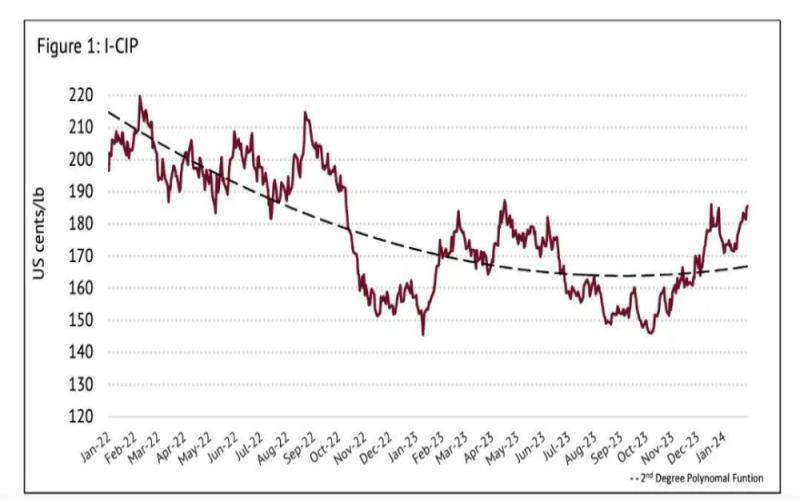
Robusta coffee prices hit a 29-year high: rising demand and supply chain pressures combine to drive the rally, with limited room for a pullback in the short term.
Recently, the coffee consulting platform Perfect Daily Grind published a report pointing out that Robusta coffee prices have climbed to their highest level in 29 years, mainly driven by multiple factors including growing global demand, supply shortages, and transportation bottlenecks. From Brazil to Vietnam, purchase prices in major producing regions have risen in tandem, and the Red Sea crisis has further intensified trade pressure on routes from East Asia to Europe. At the same time, the popularity of coffee blends has brought more attention to Robusta in the specialty coffee sector, and its climate-resistance advantages are also attracting increasing investment. Front Street Coffee believes that unless there is a fundamental shift in the supply-demand landscape, Robusta prices are likely to remain volatile at high levels and will be difficult to bring down quickly in the short term. [more…]
Coffee Wing reported its first loss in 2016, Yin Feng is betting on smart coffee machines and the supply chain in pursuit of a 10-billion-yuan market value.
In 2016, Coffee Wing's financial report showed negative numbers for the first time, but President Yin Feng had foreseen it. She admitted that this was a short-term sacrifice to pave the way for new business lines, and both the board of directors and shareholders expressed understanding. Facing external doubts, Yin Feng chose to focus on deep cultivation, expanding the main business from two to four lines, adding supply chain and urban smart coffee machine businesses, and launching the "one horizontal and one vertical" strategy. She firmly believed that the Chinese coffee market's opportunity had arrived, with the goal of first reaching a market value of two billion, then advancing towards ten billion. This article will deeply analyze Yin Feng's business logic, market judgment, and her complete plan for the future of Coffee Wing. [more…]

Massive demonstrations by Indonesian workers hit the coffee industry, with the harvest season facing shutdowns and supply chain disruptions
Indonesia recently erupted in large-scale worker demonstrations, with thousands of workers gathering in Jakarta to demand that the new government raise the minimum wage and abolish the Job Creation Law. The protests are expected to spread to 38 provinces and last until October 31. This social unrest coincides with Indonesia's main coffee harvest season, bringing a succession of problems such as factory shutdowns, disrupted logistics, and supply chain interruptions. Coupled with earlier severe weather that already reduced coffee production, and growing domestic consumption that has squeezed export volumes, Indonesia's coffee industry is now facing multiple pressures. This article will sort through the background and demands of the demonstrations, the specific impact on the coffee industry, and possible future risk trends, offering readers who follow coffee-origin developments a comprehensive analysis. [more…]